

Marketing Strategy
Marketing activity can consume time and budget without producing clear business value when the audience, positioning, message, channels, priorities, and measurement approach have not been defined.
Acumen Business Consulting Inc. helps small and mid-sized businesses develop practical marketing strategies that connect business goals with customer needs, market positioning, channel selection, budget priorities, and implementation capacity.
Based in London, Ontario, we support businesses across Canada with marketing consultations, audits, full strategy development, action planning, and ongoing strategic review.
Marketing Activity Without Direction Creates Waste
Businesses often begin with tactics: posting on social media, running ads, publishing content, redesigning a website, or sending email campaigns.
These activities may be useful, but without a clear strategy they can become disconnected from the business model, customer priorities, sales process, budget, and internal capacity.
A marketing strategy establishes the decisions behind the activity. It clarifies who the business is trying to reach, how it should be positioned, what message should be communicated, which channels deserve attention, what resources are available, and how progress will be evaluated.
Acumen approaches marketing strategy as a business-planning exercise—not simply as a list of promotional ideas.

Who This Service Is For
Marketing strategy support may be suitable for businesses that:
Are marketing without a clear plan or priority
Are spending on advertising without reliable measurement
Have inconsistent messaging across channels
Are unsure which audience segments to prioritize
Need clearer positioning in a competitive market
Are launching a new business, product, service, or location
Want to enter a new customer segment or geographic market
Have several marketing channels but limited internal capacity
Need to align website, SEO, advertising, email, social media, and sales activity
Want a practical action plan rather than a high-level report
Need to review underperforming or disconnected marketing activity
Want to establish realistic goals, responsibilities, and measurement
The appropriate scope depends on the business model, market, audience, existing activity, available data, budget, internal team, and implementation capacity.
Marketing Consultation, Audit, or Full Strategy?
-
Marketing Strategy Consultation
Suitable for business owners who need focused guidance on a specific marketing decision, challenge, campaign, audience, channel, or next step.
The session may include review, discussion, prioritization, and practical recommendations, but it does not automatically include a full written marketing plan.
-
Marketing Audit and Recommendations
Suitable for businesses that already have marketing activity in place and need an independent review of what is working, what is inconsistent, where resources may be misallocated, and which improvements should be prioritized.
The audit may review the website, SEO, advertising, social media, email marketing, content, branding, lead generation, tracking, and conversion paths within the agreed scope.
-
Full Marketing Strategy and Action Plan
Suitable for businesses that need a structured marketing direction covering audience, positioning, messaging, channels, priorities, budget considerations, customer journey, measurement, and implementation planning.
The action plan may cover an initial 90-day period or another agreed timeframe, depending on the business and scope.
Implementation, campaign management, content production, advertising, social media management, email marketing, website work, and ongoing optimization are separate unless specifically included.

Audience, Positioning, and Messaging
Marketing becomes less effective when the business attempts to speak to everyone in the same way. A practical strategy identifies which customer groups deserve priority and what matters to each group. This may involve reviewing:
Customer needs
Buying motivations
Problems being solved
Purchase barriers
Decision criteria
Price sensitivity
Geographic or industry context
Existing alternatives
Trust requirements
Preferred information sources
Positioning then defines how the business should be understood in relation to competitors and alternatives.
Messaging translates that position into clear language across the website, campaigns, sales materials, email, social media, and other customer touchpoints.
Acumen helps structure these decisions but does not assume that one message will perform equally across all audiences or channels.
What Our Marketing Strategy Service May Include
The exact deliverables depend on the selected service level, available information, market complexity, business goals, existing marketing activity, and implementation requirements.
Not every engagement includes every item above. The final deliverables, research depth, implementation support, reporting, and review schedule are defined in the proposal or agreement.

Channel Strategy and Budget Priorities
A marketing strategy should not recommend every available channel. Channel decisions should reflect:
Where the target audience searches for information
How customers make decisions
The length of the sales cycle
The business’s available budget
Internal content and operational capacity
The urgency of results
Measurement capability
Existing brand and website condition
Competitive intensity
Required follow-up and sales capacity
Some businesses may benefit from SEO and content. Others may need paid advertising, partnerships, email marketing, direct outreach, local activity, or a combination of channels.
Acumen helps prioritize channels according to business relevance and available resources. Final media budgets, platform fees, content-production costs, software subscriptions, and third-party expenses are separate unless otherwise agreed.
Customer Journey and Conversion Planning
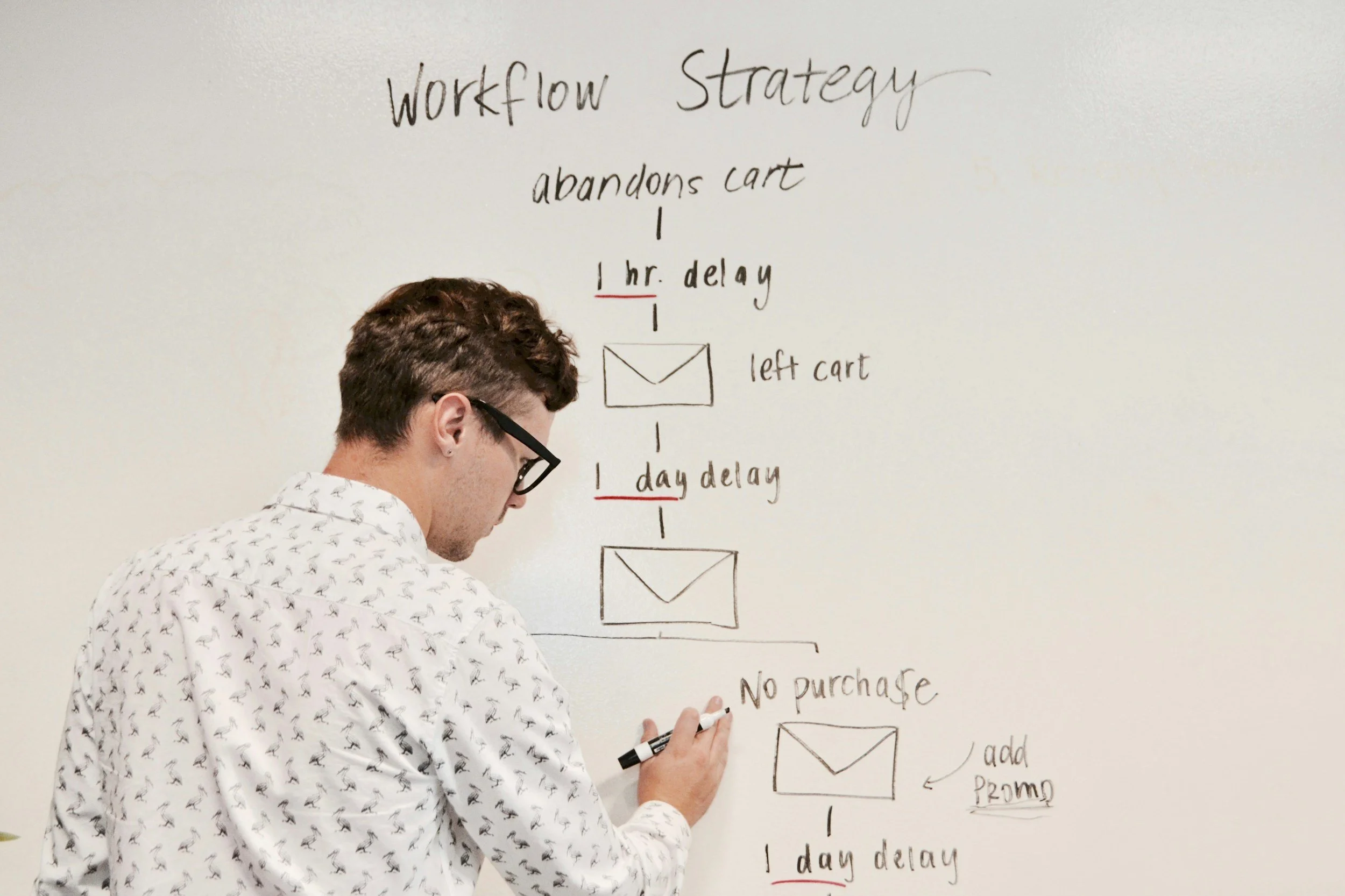
Marketing does not end when someone sees an advertisement, visits a website, or follows a social media account. The strategy should consider what happens from initial awareness through inquiry, evaluation, purchase, onboarding, retention, and referral. Planning may include:
Awareness channels
First website visit
Service or product evaluation
Trust and credibility
Calls to action
Forms, calls, booking, or checkout
Follow-up process
Sales handoff
Email nurturing
Customer onboarding
Retention and repeat purchase
Referral opportunities
Acumen may identify gaps and recommend improvements across the customer journey. Implementation may require website, CRM, sales, automation, content, or operational work outside the initial strategy scope.

Measurement and Marketing Decision-Making
Marketing decisions should be informed by available evidence, but not every business begins with complete or reliable data. Depending on the systems and channels in use, measurement may include:
Website traffic
Qualified inquiries
Calls
Form submissions
Booking actions
Sales or purchases
Lead source
Cost per lead
Conversion rate
Email activity
Campaign engagement
Customer acquisition cost
Repeat business
Lead quality
Revenue attribution where reliable
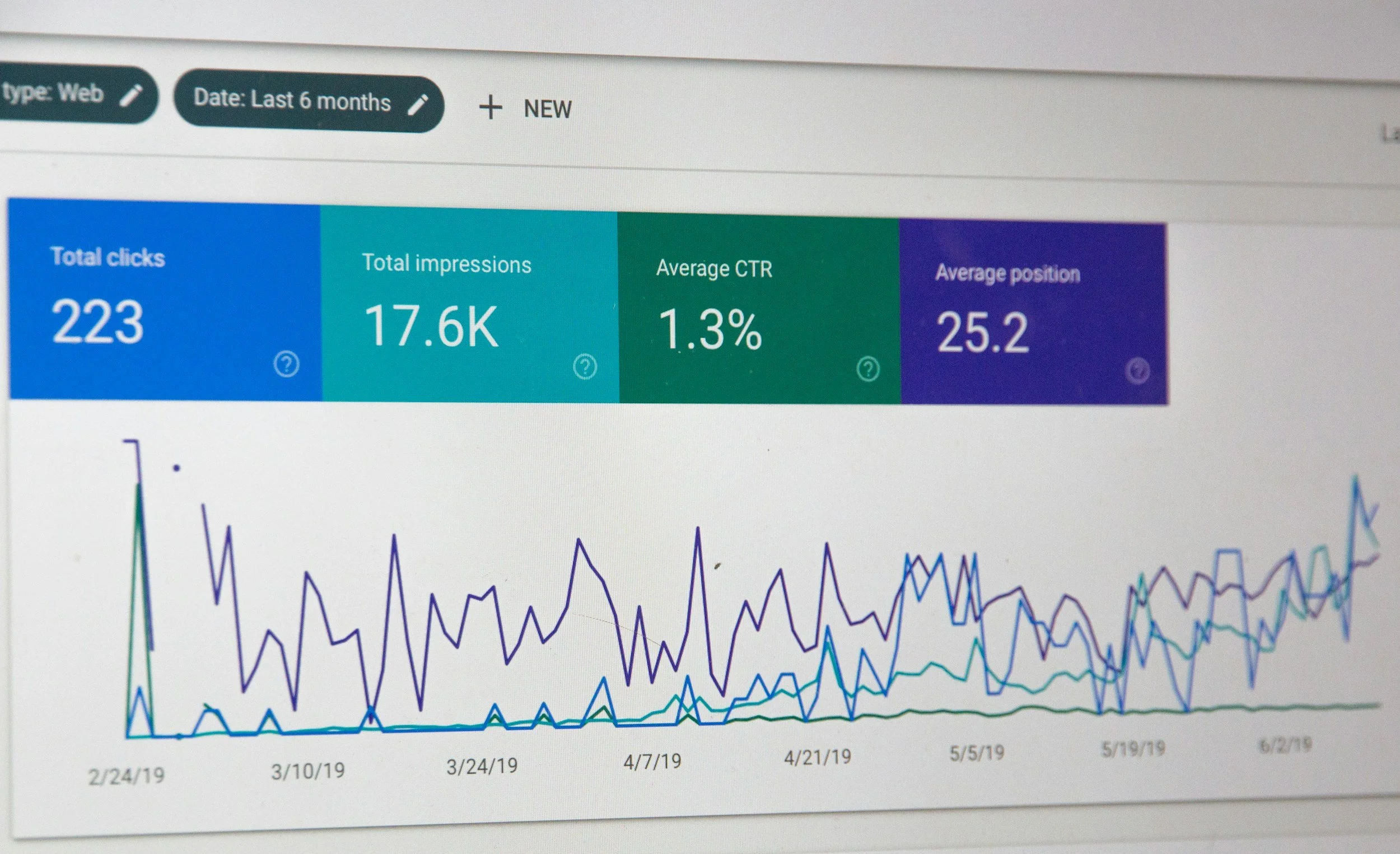
Metrics should be interpreted in context. High traffic, reach, impressions, clicks, or engagement do not automatically indicate commercial success.
Acumen helps define practical measures and reporting priorities. Accurate attribution depends on tracking setup, consent requirements, platform limitations, sales-process discipline, and the quality of available data.
Our Marketing Strategy Process

Client Responsibilities and Implementation Readiness
Marketing strategy depends on accurate information, access, collaboration, and realistic implementation capacity. Depending on the engagement, the client may be responsible for:
Providing accurate business, service, product, customer, and market information
Sharing current marketing materials, reports, accounts, and available performance data
Providing website, analytics, advertising, social media, email, CRM, and sales information where relevant
Identifying budget and internal resource constraints
Participating in interviews or working sessions
Reviewing and approving positioning and messaging
Confirming factual, legal, regulated, and professional claims
Providing timely feedback
Assigning internal owners for implementation
Approving campaign, platform, and third-party costs
Maintaining accurate sales and lead-source records where measurement is required
A strategy cannot produce value without implementation. Delays in decisions, content, budget approval, staffing, access, or execution may affect progress and results.
DISCLAIMER
Strategy, Execution, and Performance Boundaries
Acumen Business Consulting Inc. provides marketing assessment, consultation, audit, audience analysis, positioning, messaging, channel planning, customer-journey review, action planning, measurement design, implementation support, and ongoing strategic review within the agreed scope.
A marketing strategy does not automatically include advertising campaign management, media buying, social media management, website design or development, SEO implementation, email campaign production, branding or graphic design, video production, public relations, sales management, CRM implementation ,content production, or ongoing reporting. These services may be added separately where appropriate.
Acumen cannot guarantee lead volume, sales, revenue, return on investment, market share, customer acquisition cost, conversion rates, campaign performance, audience response, or competitor behaviour.
Marketing outcomes depend on demand, offer, pricing, competition, brand strength, budget, implementation quality, sales processes, customer experience, market conditions, platform systems, and other external factors.
Frequently Asked Questions About Marketing Strategy
-
A strategy may be useful when the business is spending time or money on marketing without clear priorities, audience definition, messaging, channel logic, budget allocation, responsibilities, or measurement.
It may also be appropriate before launching a new business, product, service, location, or market.
-
Yes.
An audit or strategy review can examine the website, SEO, advertising, email, content, social media, branding, lead generation, customer journey, tracking, and sales handoff within the agreed scope.
The objective is to identify what should be retained, improved, reduced, stopped, or prioritized.
-
Yes.
Marketing strategy establishes the broader direction, including audience, positioning, messaging, channels, priorities, budget, customer journey, and measurement.
Social media management is an execution service within one channel.
-
The terms are sometimes used interchangeably, but they can describe different levels of work.
Strategy explains the audience, positioning, objectives, channel logic, and key decisions. The marketing plan translates those decisions into campaigns, actions, responsibilities, budgets, and timelines.
Acumen may provide both within a full strategy engagement.
-
Implementation may be included or added as a separate scope.
Acumen may support website work, SEO, content, advertising, email marketing, social media, branding, design, systems, and coordination depending on the agreed project.
The strategy document alone does not automatically include execution.
-
The timeline depends on the service level, number of audiences, products or services, markets, channels, research requirements, available data, stakeholder involvement, and feedback timing.
The expected timeline is confirmed after discovery and scope definition.
-
Information may include business goals, products or services, customers, competitors, sales process, pricing, current marketing activity, previous performance, budgets, internal resources, and available analytics.
The exact requirements depend on the engagement.
-
Market and competitor research may be included depending on the scope.
Research may use available public information, client data, interviews, surveys, or third-party sources. Primary research, large surveys, paid databases, or specialized studies may require separate scope and budget.
-
The strategy may include budget ranges, channel priorities, allocation considerations, and estimated implementation requirements where sufficient information is available.
Final platform fees, media spend, production costs, vendor quotes, and campaign budgets remain subject to approval and may change over time.
-
Measurement depends on the agreed objectives and available systems.
Relevant indicators may include qualified leads, calls, forms, bookings, purchases, conversion rates, cost per lead, customer acquisition, email performance, website activity, and lead quality.
Not every outcome can be attributed perfectly to one marketing activity.
-
No.
A marketing strategy can improve decision quality, prioritization, consistency, and measurement, but business outcomes depend on implementation, demand, pricing, offer, competition, sales processes, customer experience, budget, and external market conditions.
-
A strategy should be reviewed when meaningful new information becomes available or when the business, market, customers, budget, channels, or performance changes.
Some businesses benefit from quarterly review, while others may require monthly or campaign-based evaluation.
Related Services



Build a Marketing Strategy Around Clear Decisions
A practical marketing strategy clarifies who the business is trying to reach, how it should be positioned, which channels deserve attention, what resources are required, and how progress will be evaluated.
Acumen helps businesses replace disconnected marketing activity with a structured direction, realistic priorities, and an actionable implementation roadmap.
Book a free discovery call to discuss your current marketing activity, audience, positioning, channel priorities, budget, internal capacity, and proposed strategy scope.